Proposed Congressional Maps Spark Concerns Over Partisan Overreach in Virginia
-
by
Admin
- No Comments on Proposed Congressional Maps Spark Concerns Over Partisan Overreach in Virginia
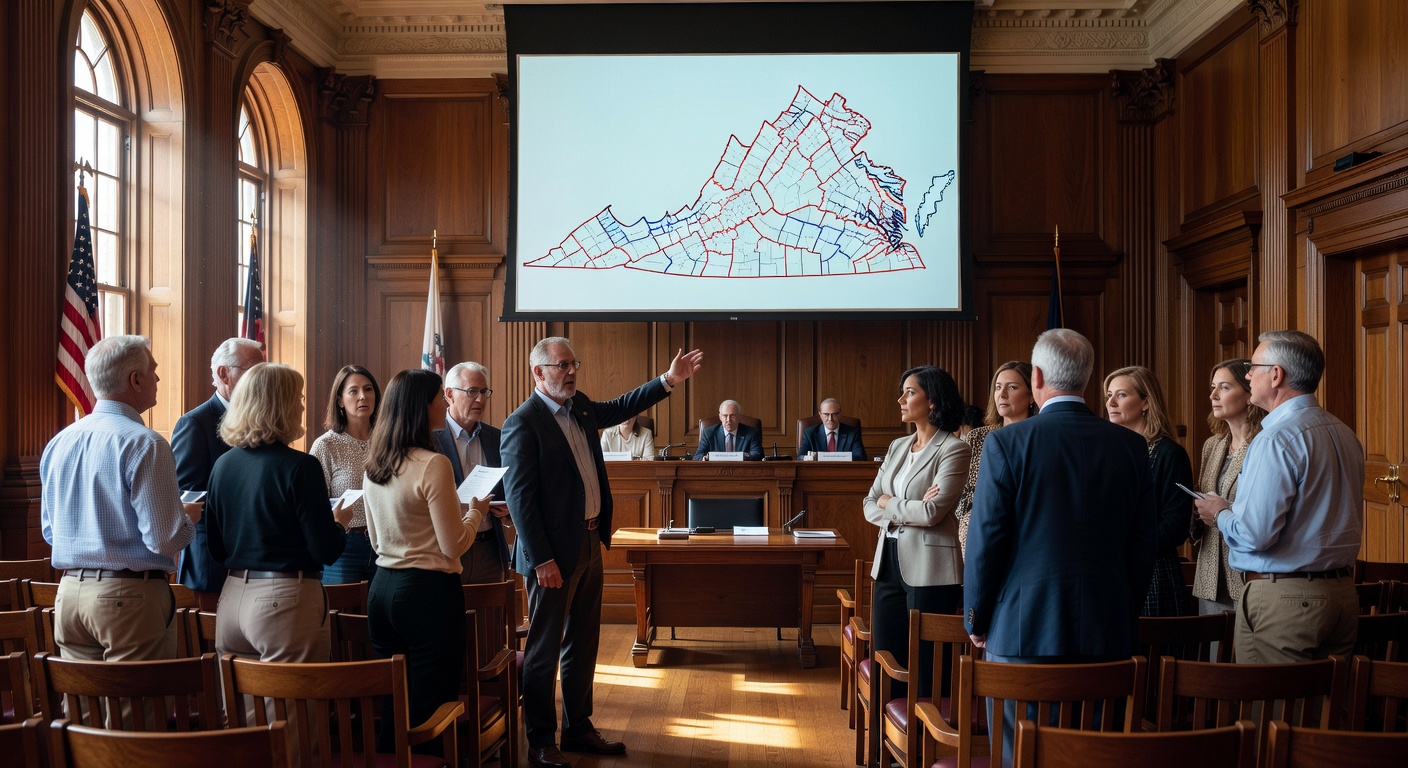
The current maps yield six Democratic and five Republican representatives from Virginia’s 11 districts, maintaining a competitive edge. The proposed alternative, advanced through the House of Delegates and Senate, tips the scales to 10 Democrats and one Republican—a lopsided outcome that raises alarms about diluting opposition voices.
This depicts this disparity, using balance scales over a Virginia-shaped outline to show the dramatic swing. Diverse Virginians’ reactions underscore widespread dismay at the potential for one-party dominance in Congress.
These liberal policies exemplify concerning trends: entrenching power through manipulated boundaries, bypassing independent commissions, and employing questionable tactics labeled unlawful by opponents. Such moves could empower Democrats to advance agendas harming families, businesses, and security, while shielding their members from accountability.
Virginia’s redistricting history reveals repeated partisan battles, often resolved in courts favoring neutrality. Democrats’ insistence on these maps critiques their commitment to equity, favoring supermajorities that stifle debate.
Rejecting this proposal preserves Virginia’s role as a purple state, ensuring rural, suburban, and urban views reach Washington. A 10-1 delegation risks policy extremes, from tax hikes to open borders, unopposed.
Voters must weigh the maps’ impacts: population shifts demand updates, but not at democracy’s expense. The referendum tests commitment to fair play amid political maneuvering.
With early voting imminent, the call is clear for scrutiny of this overreach.